ABOUT
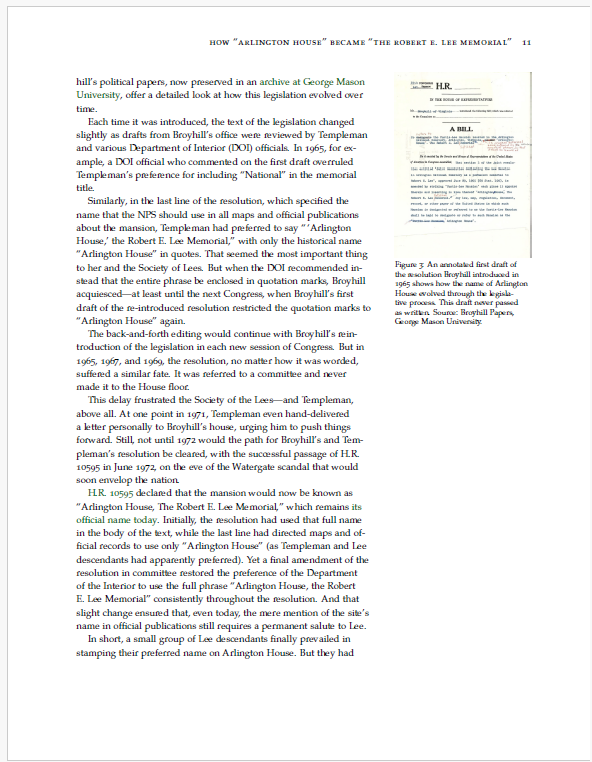
Arlington House became a memorial to Robert E. Lee by an act of Congress in 1955. The name has been modified several times from Arlington House, to the Custis-Lee Mansion, to Arlington House, the Robert E. Lee Memorial. Descendants of people who lived at this site want the site redesignated as Arlington House National Historic Site so that it reflects not just Lee but everyone who has been part of the space.
Robert E. Lee married Mary Anna Randolph Custis in the parlor of the Arlington House in 1831. He helped raise his 7 children there and he resigned his commission in the U.S. Army in the study. Robert E. Lee never owned Arlington House — it was his wife who inherited the property and the people when her father died in 1857.
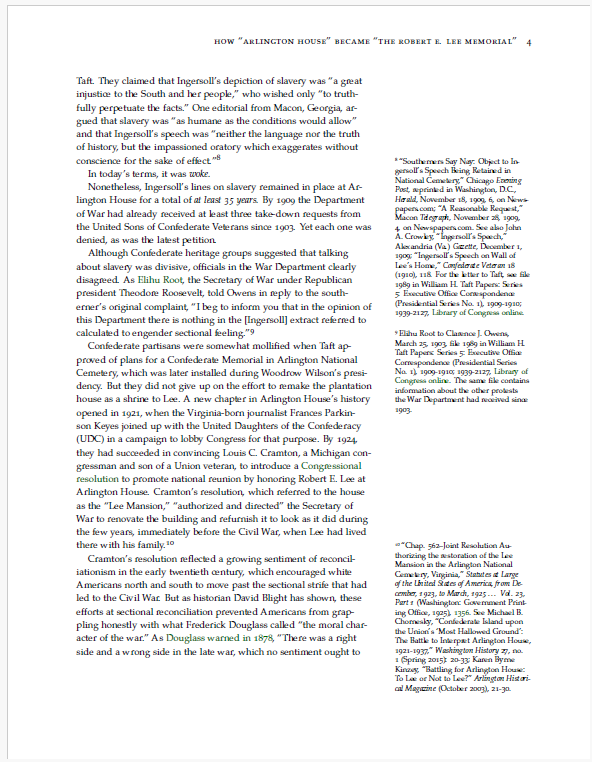
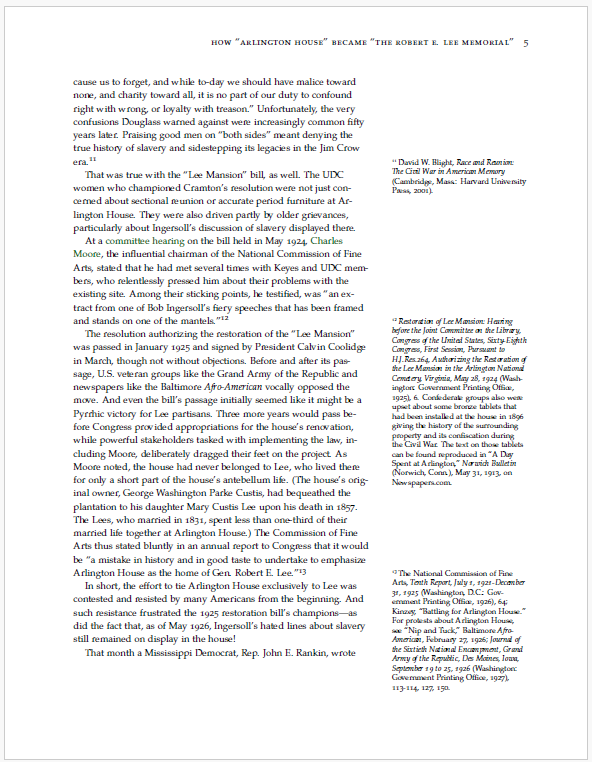
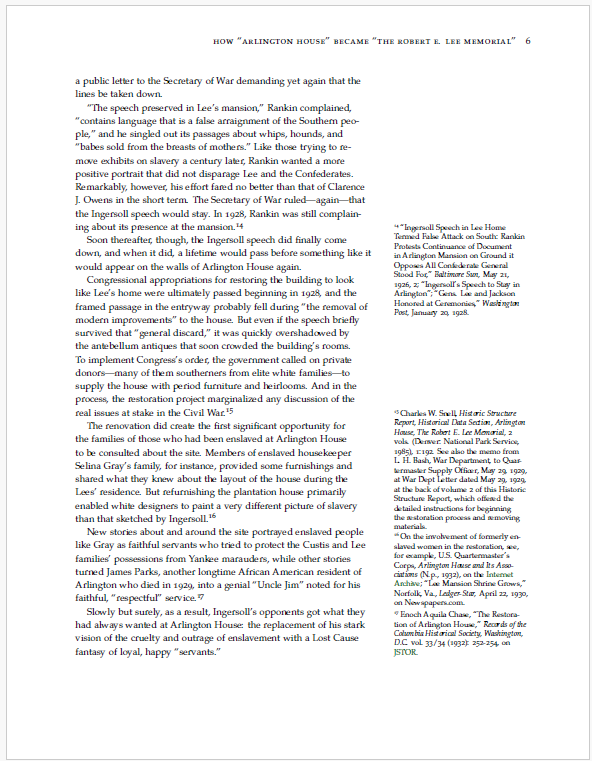
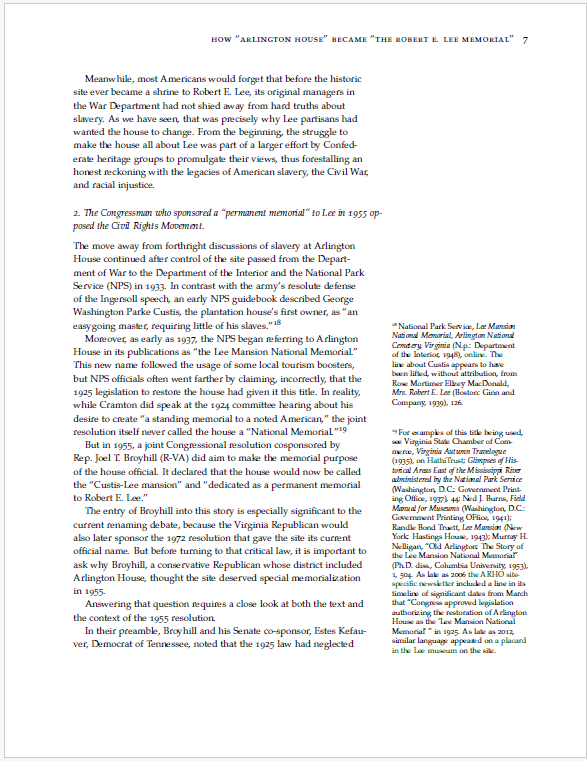
Descendants of ancestors who were enslaved and enslavers at Arlington House have come together to after 160 years to find our collective voice and reclaim our narrative. The narrative is much broader than Robert E. Lee. One of the ways we are working to do that is to pass legislation that will reassess the National Park Service Site known today as Arlington House, the Robert E. Lee Memorial and redesignate it as Arlington House National Historic Site. Part of that process requires that we educate ourselves, the public and legislators on ‘How “Arlington House” became “the Robert E. Lee Memorial.” This is extremely important background.
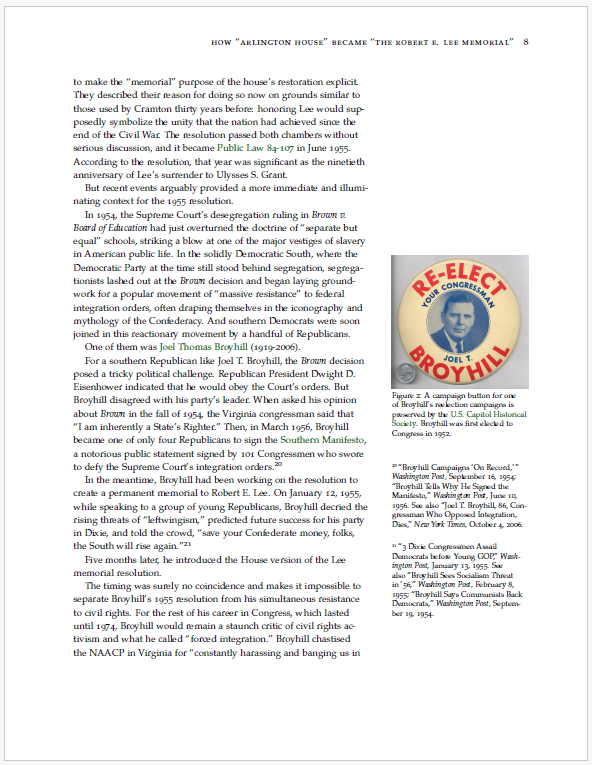
The key action that occurred prompting the initial bill to name the Lee Memorial was the Supreme Court’s 1954 desegregation ruling in Brown v. Board of Education that overturned the doctrine of “separate but equal” schools. The ruling struck a blow at one of the major vestiges of slavery in American public life. Segregationists like Congressman Joel T. Broyhill (VA) lashed out at the Brown decision and began laying groundwork for a popular movement of “massive resistance” to federal integration orders. When asked his opinion about Brown in the fall of 1954, the Virginia congressman said that “I am inherently a State’s Righter.” On January 12, 1955, Broyhill told an audience the rising threats of “leftwingism,” predicted future success for his party in Dixie, and told the crowd, “save your Confederate money, folks, the South will rise again.” Five months later, Broyhill introduced the House version of the Lee memorial resolution. The timing was no coincidence. It is impossible to separate Broyhill’s 1955 resolution from his simultaneous resistance to civil rights.
We, the descendants of Arlington House, encourage you to view these pages. Broaden your knowledge and understanding of site’s history. Then add your voice to ours. Among these pages you can learn more about the history of Arlington House and find tools that will help you support this legislative initiative.